
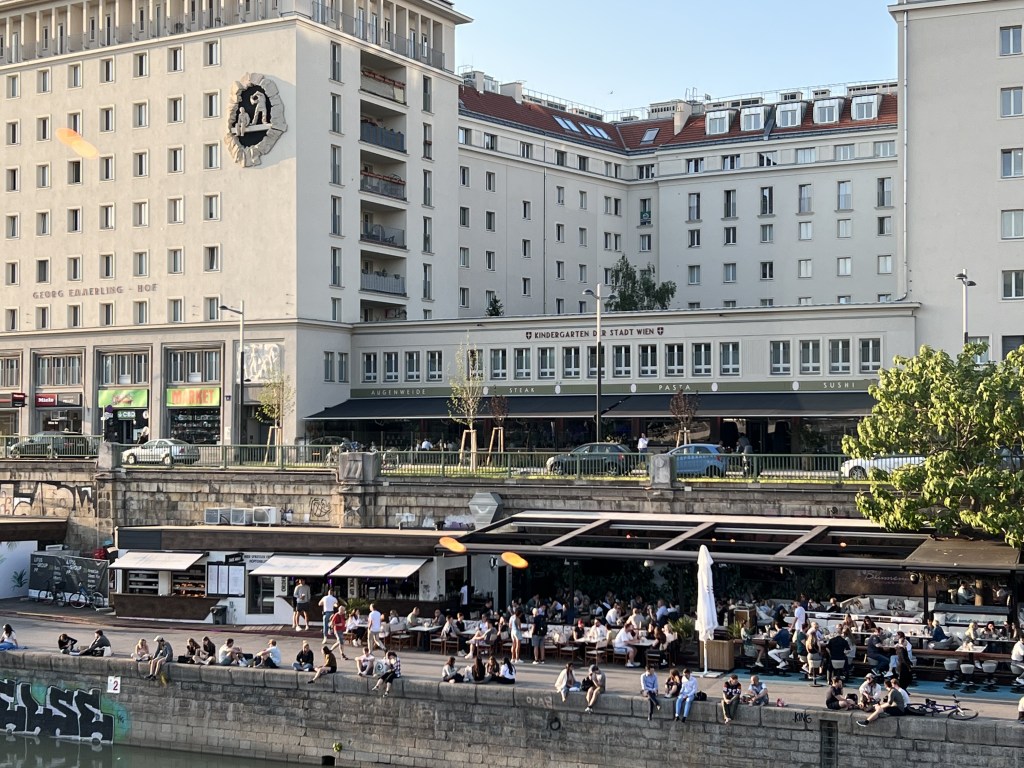
Vienna is a city that has invested, over decades, into a system where housing is seen as a right, not a privilege or an investment opportunity.
Vienna, a major European city with a population of 2 million has about 60% of its residents that live in housing that is permanently affordable. Roughly 40% of Vienna’s housing stock consists of social housing, which is not treated as a commodity within the private market.
This vast amount of housing outside the private market helps control even the private sector’s rent prices. Speculative investment doesn’t inflate rents to the point where people can no longer afford to stay in their homes.
In Vienna, people have a right to a place. When families move into their homes, they can rest assured that as long as they can afford their stable housing costs, their home will remain theirs.
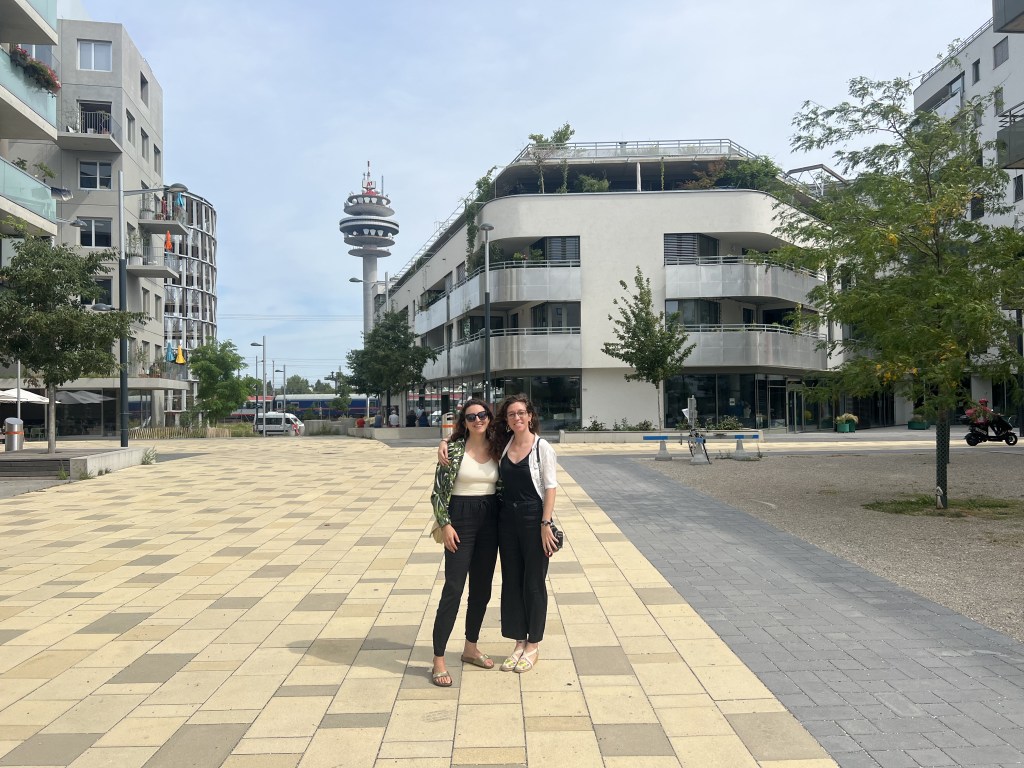
In my neighborhood, there are about 4,300 apartment units, of which half are permanently affordable. This development, completed in 2024, houses over 4,000 units and features a beautiful park, excellent public transport amenities like trams and bikes, and numerous supermarkets and retail outlets. Built within the 10th district, a historically working class neighborhood and one with a higher-than-average immigrant population. If my new neighborhood had been built in any other global city with a tight housing market, the influx of public and private investment would have skyrocketed property values and rents in the surrounding area. But in Vienna, displacement as a result of gentrification doesnt occur.
There are many reasons for this. One major reason is that poverty in Vienna is not nearly as concentrated as in most other cities due to the city’s unique social-mixing policy that scatters social housing across neighborhoods. When poverty isnt concentrated, resources and ameneties are more evenly distributed so that severe housing and economic instability is less common.
Another reason is that the high percentage of social housing creates a dampening affect on private market property values meaning that private housing prices and rents don’t surge after neighborhood investments.
In my two years living and studying in Vienna, I’ve learned that by failing to stabilize housing prices and ensure a significant portion remains outside the private market, we have essentially manufactured displacement through gentrification.
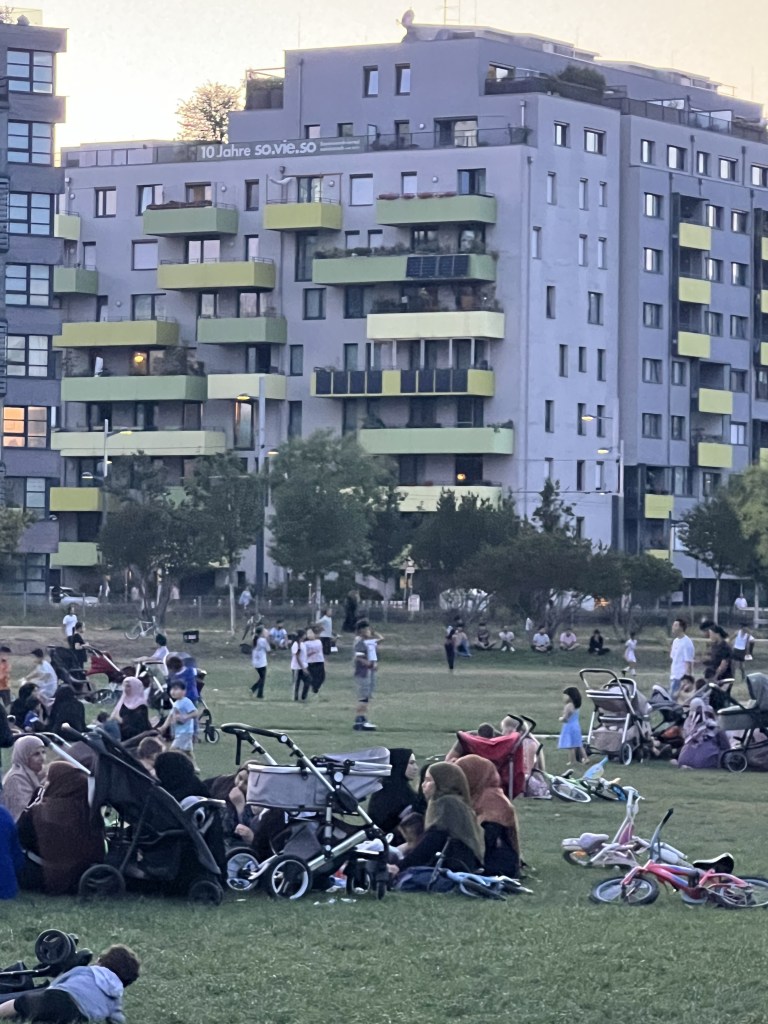
We have the tools to create thriving economies with strong middle-class populations and minimal housing insecurity. Cities where you don’t have to assume someone’s income level based on the neighborhood they live in, and where amenities like transportation, sidewalks, and parks are available to everyone—not just the wealthier residents who can afford to live nearby.
Before working and living in Vienna, I had never heard of the tools and solution for housing stability and displacement caused by gentrification and it was almost a given that these outcomes are inevitable.
I feel incredibly lucky to have been exposed to a city like Vienna, which truly prioritizes housing stability. Vienna has developed intricate and intelligent mechanisms, with dedicated actors who consistently put the needs of its residents first. I hope this blog and website can serve as a resource to share what I’ve learned and demonstrate that another way is not only possible but already being successfully implemented.
 The Urban Commons
Leave a comment