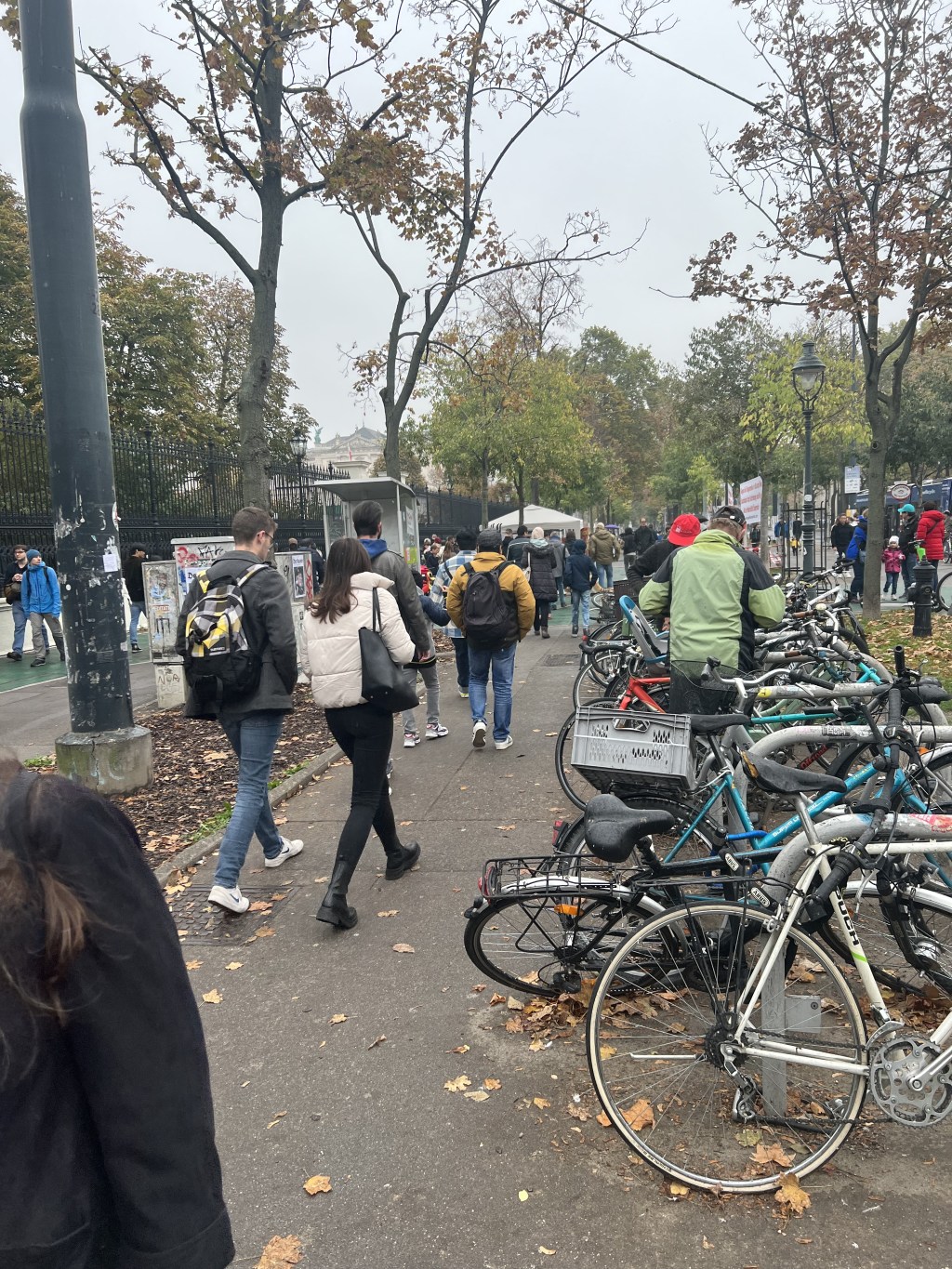
In Vienna, everything has its place. Things are orderly, and people work within the set rules. There are many countries like this, but in Vienna, it´s part of the Vienna fosters a culture that emphasizes both obedience and mindfulness of your impact on the wider society. This manifests in small but telling ways—like keeping your voice down on public transportation or ensuring your trash ends up in one of the many bins thoughtfully distributed throughout the city.
In the “City of Music,” even street performances are regulated, with designated times and places where they’re permitted.
Crossing an empty street while the pedestrian light is red will earn you sharp looks. Blocking the flow of pedestrian traffic on escalators or sidewalks will provoke visible frustration and polite, but unmistakable, disapproval.
Coming from California and being of Hispanic heritage, this has been a major culture shock for me. Life back home is much more relaxed, and adapting to a society with such clearly defined norms—where breaking the rules is genuinely frowned upon—has been a challenge.
That said, many of these rules serve an admirable purpose and are aimed at achieving what every city should aspire to:
- Clean and safe streets
- Workers’ rights for all
- Low poverty rates
- Strong tenant protections
- High-quality job opportunities with work-life balance
- Incredible, accessible, multi-modal public transport
- Affordable or free healthcare
- Free or low-cost education
- A robust middle class supported by social systems
- Housing for everyone
There’s a big difference between rules that exclude and rules that uplift. To be fair, Vienna’s rules were shaped by its own people and could certainly benefit from more multicultural perspectives. But even as someone who naturally resists strict rule-following, I have to admit—it’s inspiring to see rules designed to make basic human rights universally accessible.
Vienna’s institutions work for you. Public campaigns are thoughtfully executed to inform residents of new programs, including things like legal assistance centers for tenant issues.
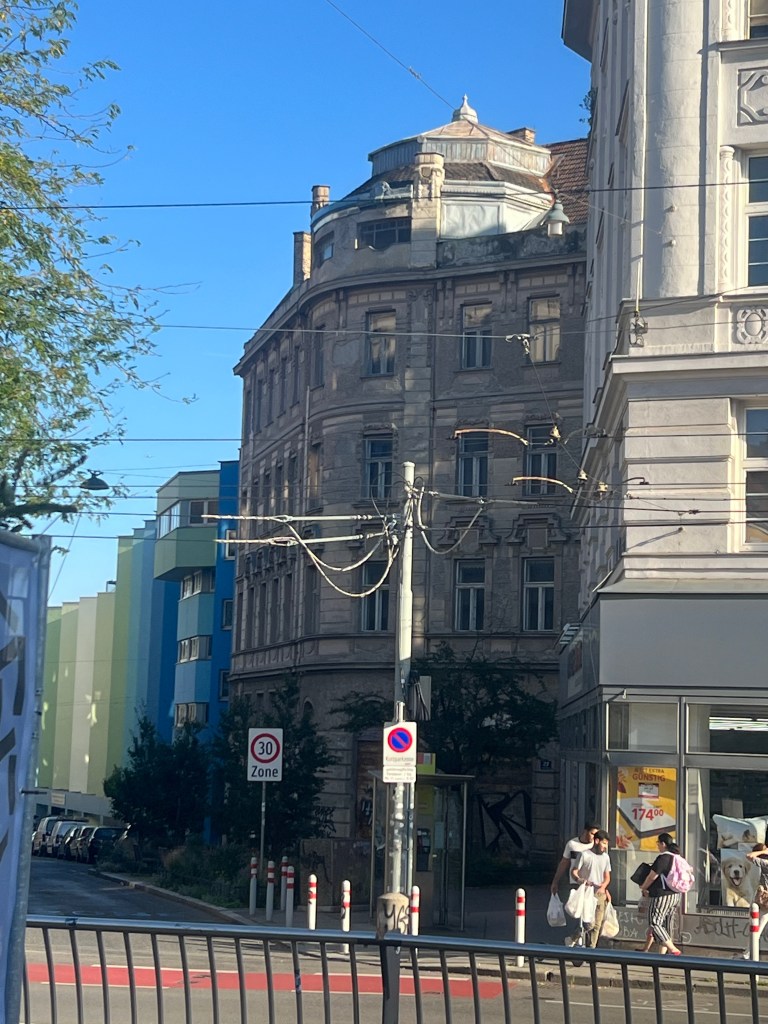
The city intentionally integrates public housing into all neighborhoods and mixes housing typologies to avoid concentrated wealth, promoting economic balance and inclusion across districts.
As someone who has lived on four continents and studied housing systems globally as an urban planner, I can confidently say Vienna is the most well-functioning city I’ve ever experienced.
Not all institutions serve the majority. But in Vienna, an expansive network of public, private, and third-sector organizations works to ensure your needs are met. The systems are aligned to support the common good.
So maybe getting the evil eye for jaywalking is a small price to pay when you know most residents have their basic needs met—and are genuinely supported by the city they live in.
 The Urban Commons
Leave a comment